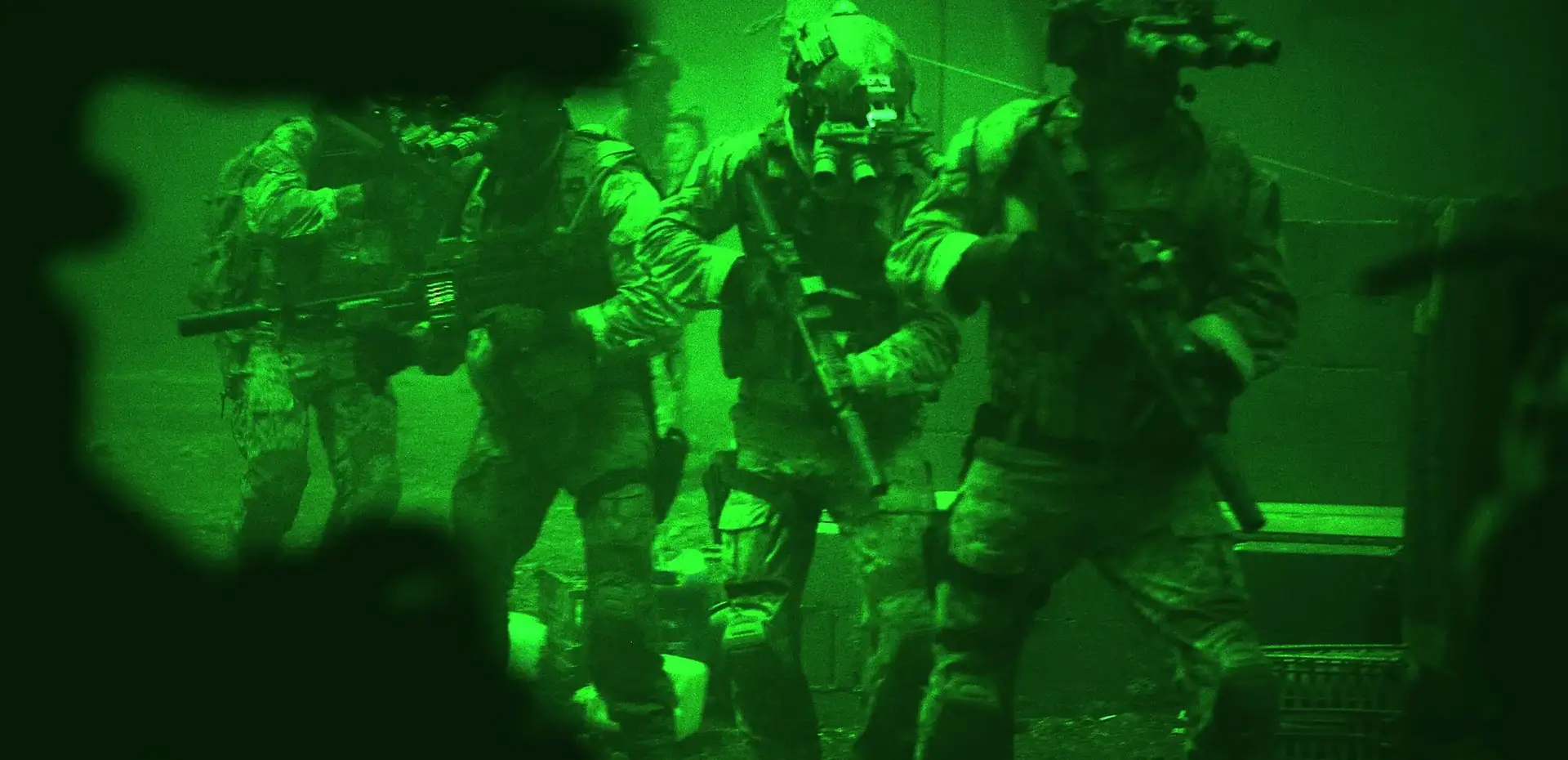
The Future of Night Vision Technology in Military Operations
Night vision technology has undergone a revolutionary transformation over the past decade, evolving from simple image intensification systems to sophisticated digital fusion platforms that provide unprecedented situational awareness in low-light environments. As we look toward the future, the integration of artificial intelligence, augmented reality, and advanced sensor fusion is set to redefine how military forces operate in darkness.
The Evolution of Night Vision
The journey from Generation 0 to Generation 4 night vision technology represents more than just incremental improvements in image quality. Each generation has brought fundamental changes in how soldiers perceive and interact with their environment during nighttime operations. Today’s Generation 3+ systems offer exceptional resolution and reliability, but the real revolution is happening in the digital realm.
Digital night vision systems are breaking the traditional limitations of analog technology. Unlike conventional image intensifier tubes, digital systems can process and enhance images in real-time, overlay tactical information, and even record and transmit video feeds. This capability has opened new possibilities for command and control, after-action review, and intelligence gathering.
Artificial Intelligence Integration
The integration of AI algorithms into night vision systems represents the next frontier in tactical optics. Modern systems can now automatically detect and classify objects, identify potential threats, and even predict movement patterns. This AI-powered analysis happens in real-time, providing soldiers with enhanced situational awareness without overwhelming them with information.
Machine learning algorithms are being trained on vast datasets of thermal and night vision imagery, enabling systems to distinguish between friendly and hostile forces, identify weapons systems, and even detect hidden objects or personnel. This capability is particularly valuable in complex urban environments where traditional night vision might struggle with shadows and reflections.
Augmented Reality and Tactical Information
Augmented reality is transforming night vision from a simple seeing device into a comprehensive tactical information platform. Modern systems can overlay GPS coordinates, range information, target designation, and even feeds from unmanned aerial vehicles directly onto the user’s display. This integration of information allows soldiers to maintain awareness of the broader tactical situation while focusing on their immediate environment.
The ability to share information between team members in real-time is another game-changing development. When one soldier identifies a target or area of interest, this information can be instantly shared with all team members, creating a shared tactical picture that enhances coordination and reduces the risk of fratricide.
Sensor Fusion Technology
The future of night vision lies in sensor fusion – the combination of multiple sensor types to create a comprehensive picture of the battlefield. By fusing image intensification, thermal imaging, and other sensor modalities, these systems can provide capabilities that exceed the sum of their parts.
For example, a fused system might use thermal imaging to detect a target hidden behind foliage, then switch to image intensification to provide detailed identification. This multi-spectral approach ensures that soldiers can maintain visibility across a wide range of environmental conditions and tactical scenarios.
Miniaturization and Power Efficiency
Advances in microelectronics and battery technology are making night vision systems smaller, lighter, and more power-efficient. This trend is crucial for soldier mobility and endurance, as every ounce of weight savings translates to improved operational effectiveness.
<New power management systems can extend battery life significantly, with some modern systems offering 40+ hours of continuous operation. This extended endurance is critical for long-duration missions where resupply may not be possible.
Conclusion
The future of night vision technology is bright, with advances in AI, AR, and sensor fusion creating capabilities that were once the realm of science fiction. As these technologies mature and become more widely available, they will continue to provide military forces with the tactical advantage needed to succeed in nighttime operations.
At Night Vision Tech, we remain committed to staying at the forefront of these developments, ensuring that our customers have access to the most advanced and reliable night vision technology available. The future of nighttime operations is here, and it’s more capable than ever before.